OpenLingo
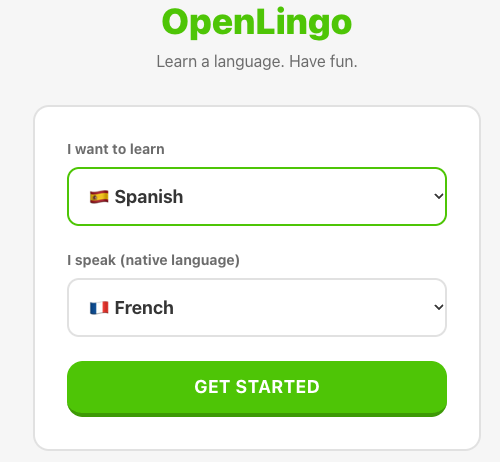
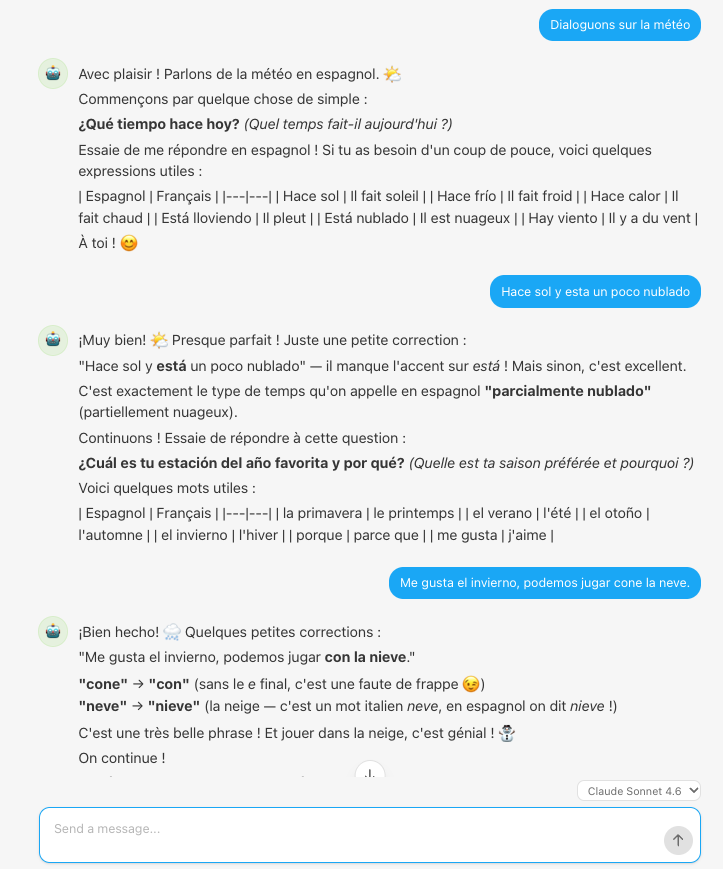
OpenLingo (https://openlingo.dev and documentation: https://github.com/pretzelai/openlingo) offers to learn a language with an AI tutor, exercises, review cards and press articles adapted to the level announced.
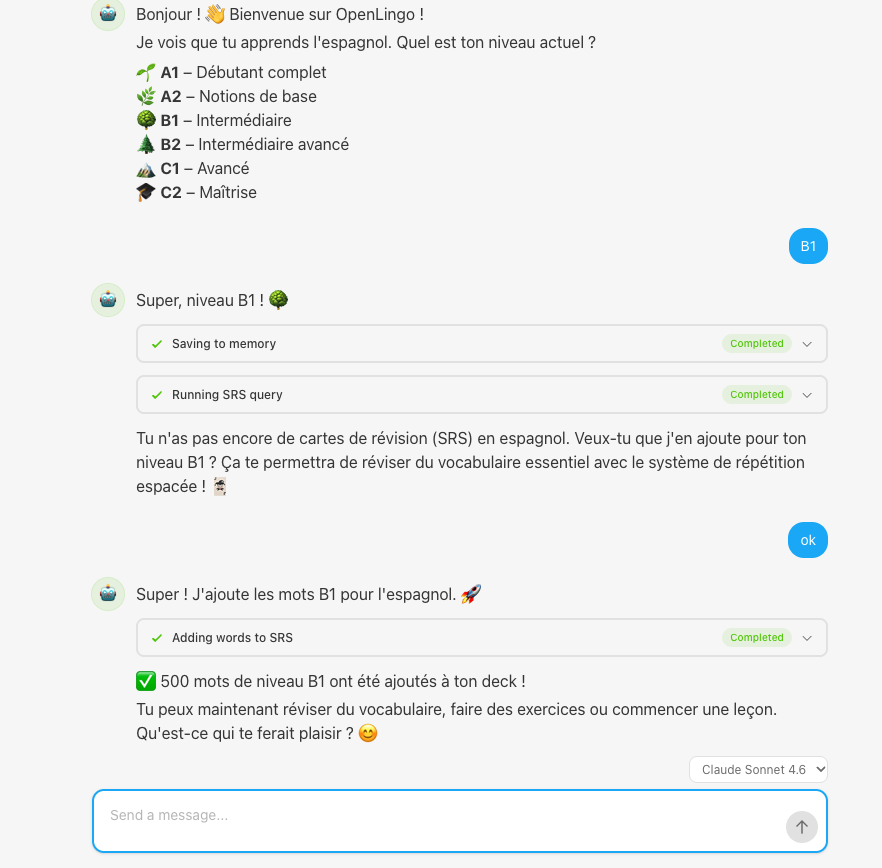
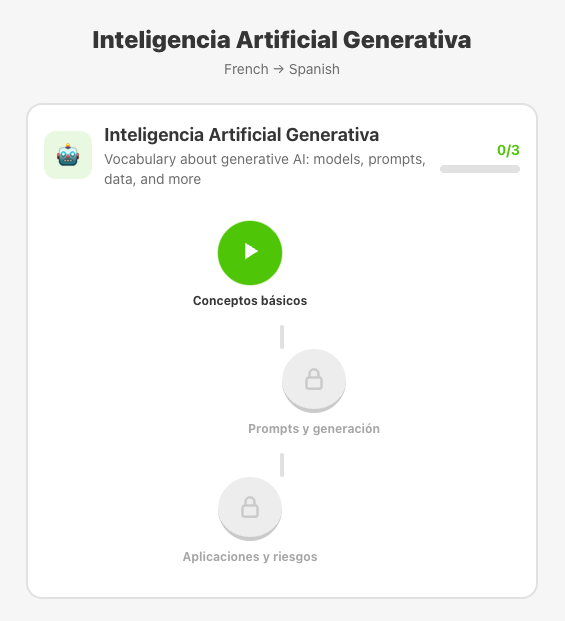
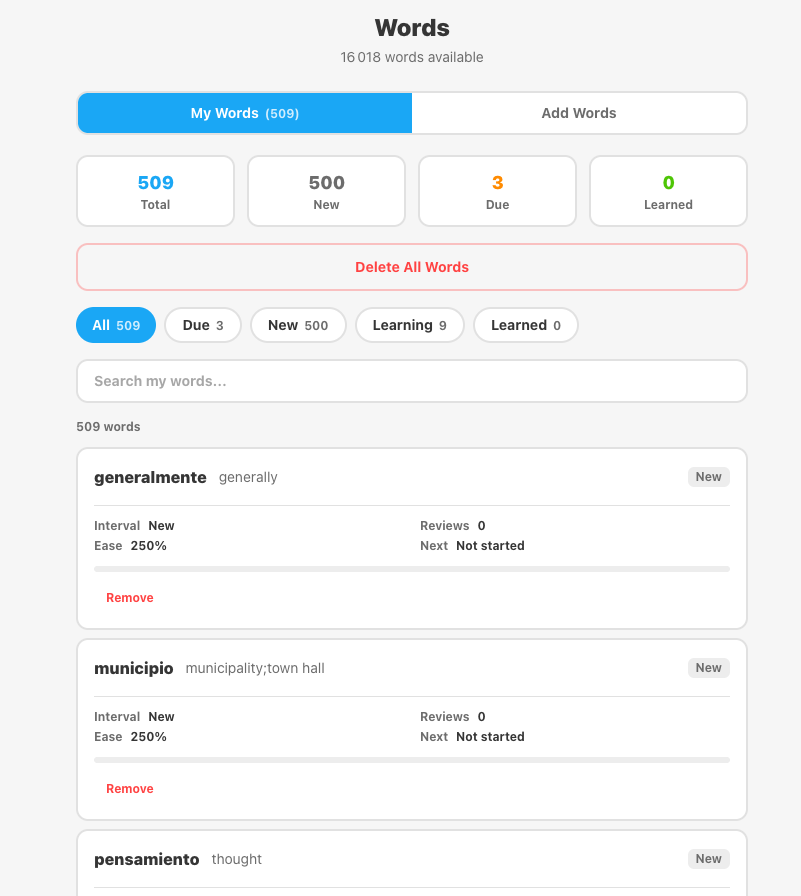
The app is organized into five sections: Chat, Units, Read, Words, and Settings.
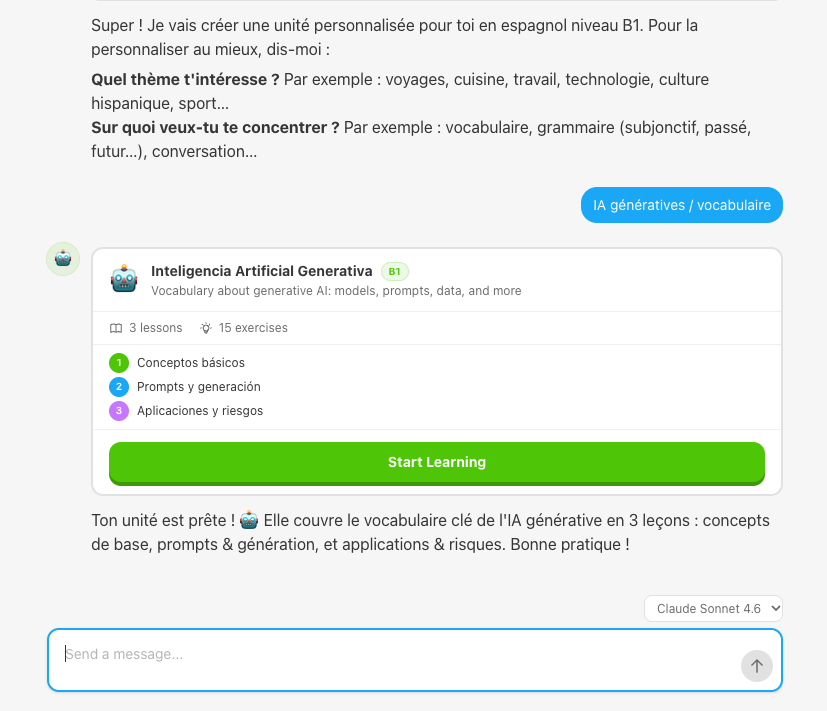
The AI tutor adapts to the learner’s level. Custom courses and units are generated by AI.
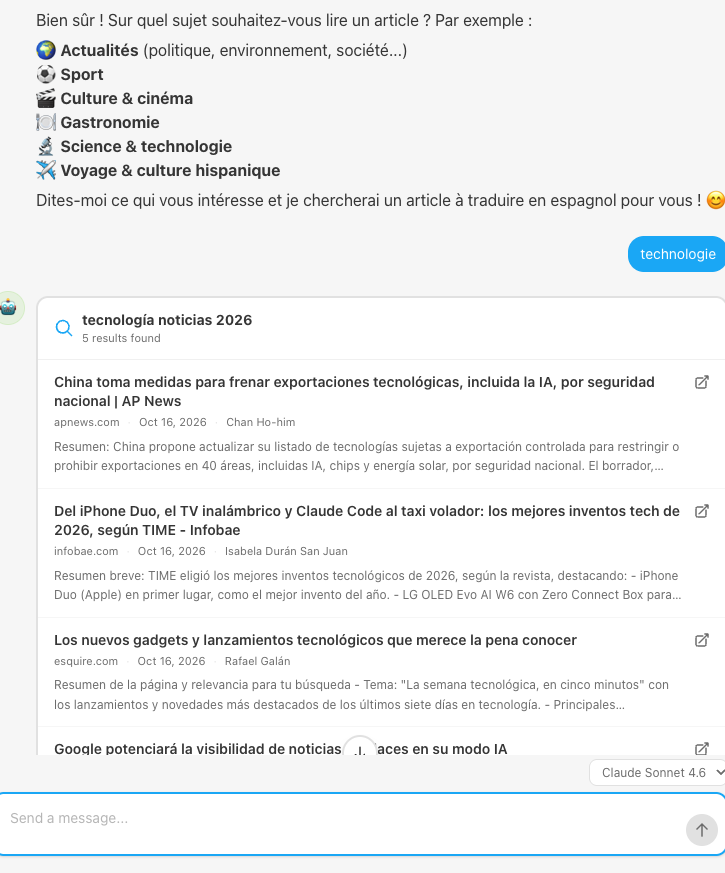
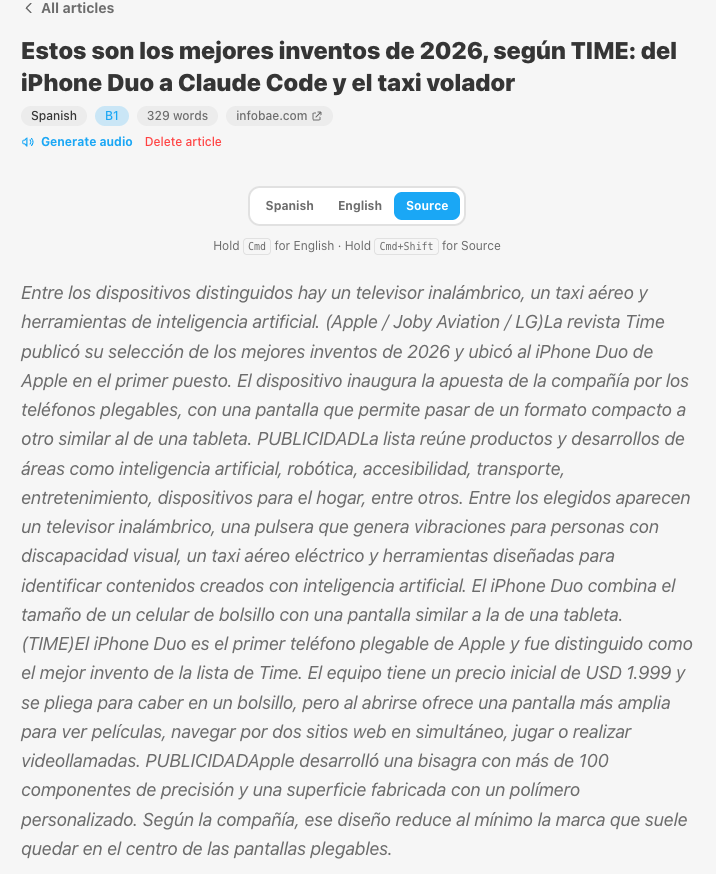
The reading mode finds press articles based on interests. The article is retrieved, extracted, and then translated paragraph by paragraph into the target language, at the learner’s level.
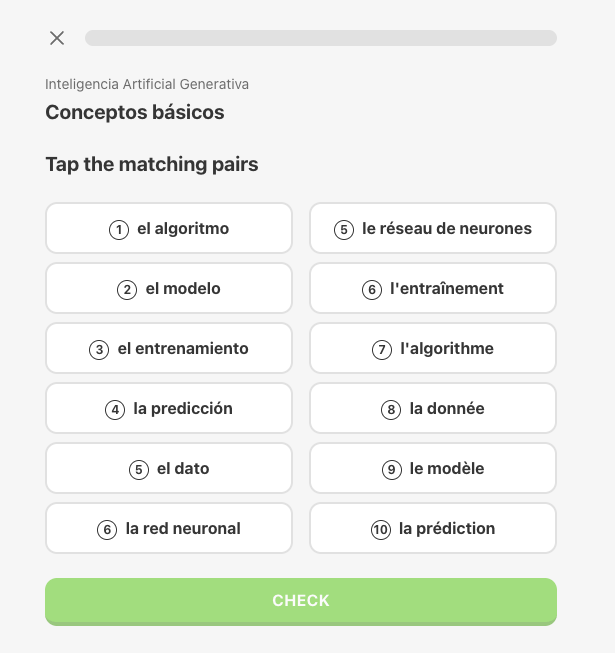
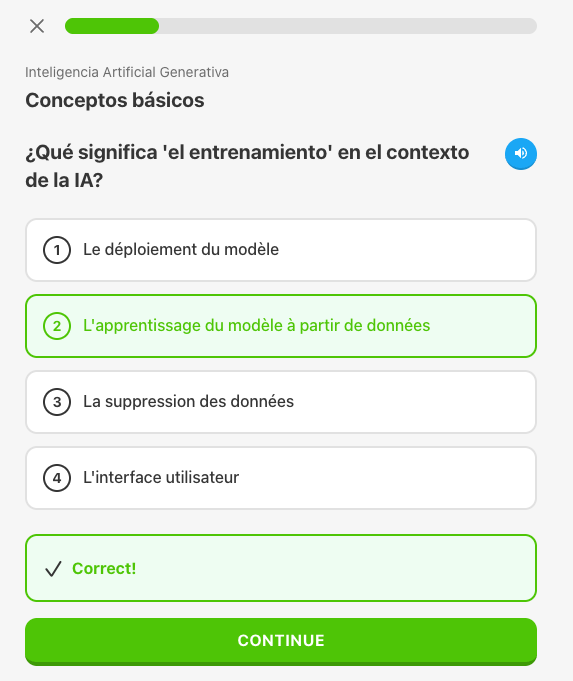
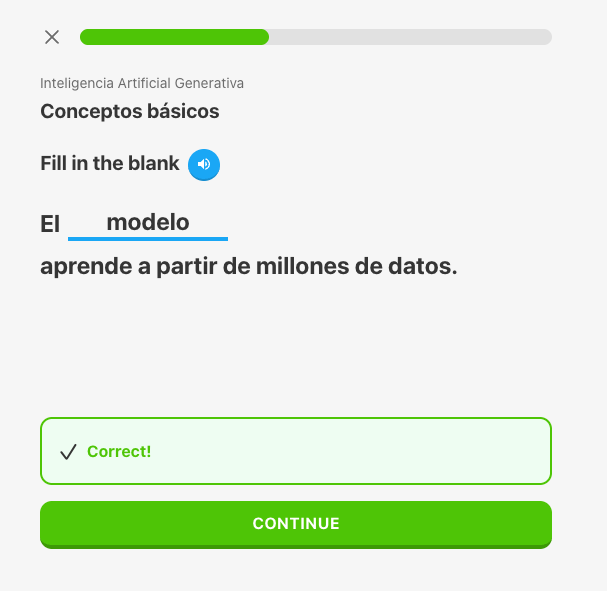
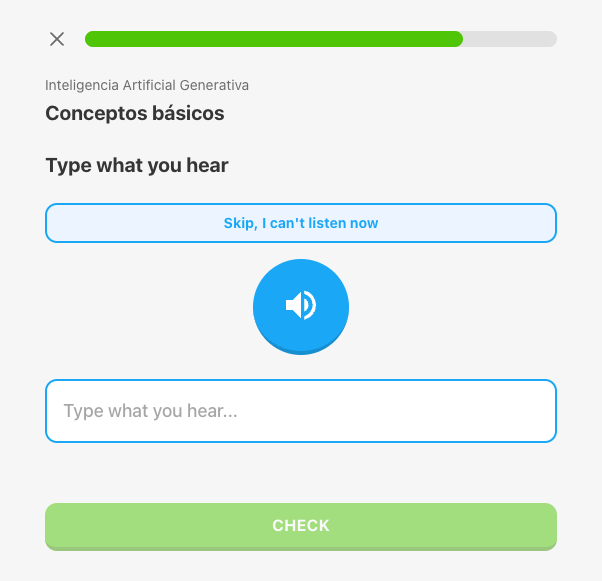
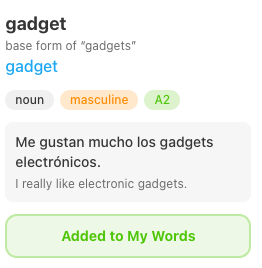
In “units” mode, nine types of exercises, spaced repetitive memory cards.
Twelve languages offered (Arabic, English, French, German, Hindi, Italian, Japanese, Korean, Spanish (hiragana, katakana, kanji), Mandarin, Portuguese, Russian), with frequency dictionaries and CEFR levels (A1 to C2) for each language.
Text-to-speech for pronunciation and listening (OpenAI GPT-4o-mini-tts), speech recognition for oral exercises (OpenAI Whisper).
Notes: English interface, the “tutor” responds in the learner’s language. The source text of the articles is imported as is, including the original site advertisements.
Open source, free with accounts and seems unlimited.
D'autres outils qui pourraient vous intéresser

Une IA par jour, une lettre d'info par semaine
uneIAparjour.fr c'est chaque jour une nouvelle application d'IA générative et une lettre d'info hebdomadaire avec les applications de la semaine, un focus et des lectures partagées.
By subscribing you agree to Substack's Terms of Use, our Privacy Policy and our Information collection notice.